Mudjacking Des Moines explained for property improvement planning
Every little thing You Need to Understand About Mudjacking: A Useful Summary of Concrete Repair Work Techniques
Mudjacking is a useful option for dealing with sunken concrete surface areas. This approach entails infusing a slurry underneath slabs to recover their original altitude. Comprehending exactly how mudjacking works, its advantages, and when to consider it is important for home owners. Furthermore, evaluating do it yourself choices against expert services can influence the result. As concrete settling can bring about different problems, exploring the information of mudjacking might offer the solutions required for reliable repair work solutions.
What Is Mudjacking?
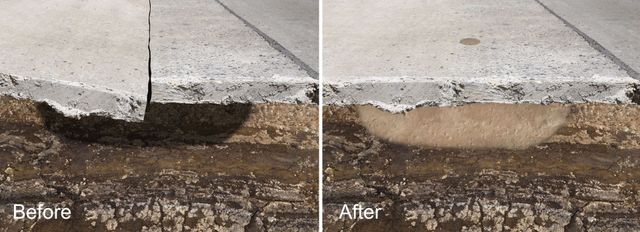
The method is preferred for its cost-effectiveness compared to complete concrete replacement, making it an attractive choice for organizations and property owners alike. Mudjacking can be finished reasonably rapidly, decreasing interruption to everyday activities. Additionally, it is taken into consideration an eco friendly technique, as it often makes use of existing materials instead of demanding brand-new concrete (mudjacking Des Moines). On the whole, mudjacking works as a sensible solution for recovering the honesty and capability of sunken concrete surface areas
Exactly How Does Mudjacking Work?
Mudjacking includes a precise injection process where a blend is pumped below resolved concrete slabs to elevate and support them. The products used in this strategy generally consist of a mix of soil, cement, and other parts customized for efficient support. Comprehending the benefits of mudjacking highlights its performance and cost-effectiveness as a solution for unequal surface areas.
Shot Process Explained
An usual approach for bring back sunken concrete includes the shot of a specialized mixture under the piece. This procedure begins with drilling little openings right into the influenced concrete surface area, generally spaced a number of feet apart. A pump then infuses the mix, which usually is composed of a mix of concrete, sand, and other aggregates, right into these openings. As the mix is injected, it increases and fills up spaces beneath the slab, properly raising it back to its initial position. The pressure developed by the increasing material forces it right into any voids or splits. Once the desired altitude is attained, the shot is quit, and the holes are sealed, restoring the surface. This technique lessens disturbance and supplies a durable service for concrete clearing up issues.
Products Used in Mudjacking
The effectiveness of mudjacking relies greatly on the products made use of in the injection process. Commonly, a blend of soil, cement, and water is utilized, developing a slurry that can fill up voids below concrete pieces. The cement part supplies strength and sturdiness, while the water aids in accomplishing the preferred consistency for very easy injection. Furthermore, additives such as polymers or foam may be included to enhance the mix's flow and bonding properties. The selection of soil, whether clay or sand, can likewise influence the last item's efficiency. Eventually, the quality and structure of these products play a necessary function in guaranteeing the effective training and stabilization of sunken concrete surface areas.
Benefits of Mudjacking
When a top quality blend is infused under concrete pieces, it not only addresses surface area concerns but also uses a number of advantages. Mudjacking effectively raises sunken concrete, bring back appropriate positioning and improving aesthetics. It is a cost-efficient alternative to complete concrete substitute, conserving home owners money and time. The process fasts, typically completed in a matter of hours, enabling instant usage of the surface. Furthermore, mudjacking minimizes interruption to surrounding structures and landscapes, protecting existing landscaping and decreasing waste. It enhances security by removing tripping risks linked with unequal surfaces. On the whole, mudjacking is a reliable, eco-friendly remedy for concrete repair that assures lasting security and capability for different sorts of concrete surface areas.
Advantages of Mudjacking
Mudjacking offers a number of benefits that make it an appealing option for homeowner. It is a cost-efficient solution that provides quick outcomes, enabling for marginal disruption to daily tasks. Furthermore, the method is eco friendly, making use of materials that decrease waste and advertise sustainability.
Economical Option
While many property owners look for durable options for unequal concrete surfaces, mudjacking attracts attention as an affordable option. This method includes lifting sunken concrete slabs by infusing a combination of cement and various other products beneath them, consequently recovering their degree without the need for complete replacement. Compared to traditional concrete substitute, mudjacking commonly sustains reduced labor and material expenses. Additionally, it minimizes the disruption to the surrounding landscape and existing structures, better enhancing its appeal. Property owners can gain from a quicker solution that addresses their concrete problems without a substantial cost, making mudjacking an economically sensible option - mudjacking Des Moines. Inevitably, its affordability and effectiveness make it an eye-catching choice for those seeking to preserve their home's integrity
Quick Installation Refine
Homeowners appreciate the quick installation process connected with mudjacking, which enhances its cost-effectiveness. This strategy typically needs just a couple of hours to complete, allowing home owners to return to regular activities nearly instantly. Unlike conventional concrete replacement, which can take days or perhaps weeks, mudjacking entails infusing a specialized mixture beneath the surface, raising it back right into place without substantial interruption. The very little tools and labor included streamline the process even more, making it not just reliable yet additionally less intrusive. Furthermore, due to the fact that the repair services can be done in a solitary day, property owners can prevent extended direct exposure to construction sound and debris. In general, the speedy nature of mudjacking makes it an eye-catching alternative for those needing punctual concrete fixing solutions.
Eco Pleasant Technique
As issues regarding ecological sustainability expand, mudjacking arises as a viable solution for concrete repair work that reduces environmental effect. This technique utilizes a polyurethane foam or a cement-based mix, both of which can be green, depending upon the materials chosen. Mudjacking prevents the need for complete piece substitute, which typically results in significant waste and interfered with landscapes. By supporting existing concrete structures, it preserves sources and lowers the carbon impact related to new materials. Additionally, mudjacking can be executed with marginal disruption to surrounding settings, protecting landscaping and reducing noise air pollution. Eventually, this approach not only addresses structural issues but likewise straightens with contemporary environmental requirements, making it an appealing alternative for ecologically mindful homeowner.
Expense of Mudjacking
The expense of mudjacking can vary substantially based on numerous variables, consisting of the dimension of the area to be fixed, the level of the negotiation, and local labor rates. Generally, property owners can expect to pay between $300 and $1,500 for mudjacking services, with prices affected by the complexity of the work. For smaller sized repair services, prices may get on the lower end of the range, while bigger or more complex tasks can rise significantly. Furthermore, ease of access to the worksite and the kind of dirt can influence the overall cost. It is a good idea for property owners to get several quotes from qualified specialists to ensure a reasonable price. Ultimately, buying mudjacking can be a cost-effective option to complete concrete substitute, typically leading to substantial cost savings while bring back stability to the impacted areas.
When to Take into consideration Mudjacking
When is it proper to ponder mudjacking for concrete surfaces? Home owners and building managers need to consider this fixing technique when they see indicators of concrete settling or sinking. Common indications consist of irregular pieces, visible cracks, or pooling water near the foundation. These concerns can jeopardize the structural honesty of structures and result in safety and security hazards.
Additionally, if outside concrete functions, such as walkways, driveways, or outdoor patios, display unevenness, mudjacking can recover their level. This technique is particularly helpful when the underlying soil has actually eroded or cleared up, triggering support loss. Time is also a factor; dealing with these troubles early can stop additional damage and greater repair work prices.
Eventually, mudjacking functions as a reliable remedy for restoring the security and durability of concrete surface areas, making it essential for maintaining property worth and safety and security.
Do it yourself vs. Specialist Mudjacking
While some home owners may consider tackling mudjacking as a do it yourself job to minimize costs, it is necessary to weigh the possible risks and benefits. Do it yourself mudjacking can seem appealing as a result of lower monetary investment; however, it typically lacks the precision and know-how needed for reliable outcomes. Homeowners might find it challenging to precisely assess the degree of damages or pick ideal products, bring about more complications.
On the other hand, specialist mudjacking solutions bring specialized expertise and equipment, making certain a much more trustworthy and long lasting fixing. Specialists can recognize underlying concerns, such as water drainage problems, that may require focus beyond raising the concrete. In addition, they frequently give warranties for their job, offering comfort that do it yourself efforts can not guarantee. House owners need to carefully think about whether the possible cost savings of a DIY strategy exceed the learn now threats of insufficient repairs and boosted long-term prices.
Regularly Asked Questions
For How Long Does Mudjacking Generally Last?
Mudjacking normally lasts between 5 to 10 years, depending upon elements such as soil conditions, weather condition, and the quantity of web traffic the repaired location experiences. Normal upkeep can prolong the life-span of the fixing.
Can Mudjacking Be Done in Winter?
Mudjacking can be carried out in cold weather, but conditions need to be carefully kept an eye on. The success of the process depends on the temperature and the materials utilized, as cold can influence the treating and bonding.
Is Mudjacking Appropriate for All Sorts Of Concrete?

What Products Are Utilized in the Mudjacking Refine?
The mudjacking process typically utilizes a combination of concrete, sand, water, and soil. These products produce a slurry injected beneath the concrete slab, efficiently increasing and supporting it to restore its initial placement.
Just How Can I Preserve My Concrete After Mudjacking?
To maintain concrete after mudjacking, routine securing is crucial. Stay clear of hefty tons for at the very least 24-hour, warranty correct drainage, and tidy surface areas to stop particles build-up. Keeping an eye on for splits promotes lasting durability and stability.
Mudjacking is a sensible solution for addressing sunken concrete surface areas. Mudjacking, also known as slab jacking, is a technique made use of to increase and maintain sunken concrete surfaces. While several house owners look for resilient options for irregular concrete surfaces, mudjacking stands out as an affordable choice. Unlike standard concrete replacement, which can take days or also weeks, mudjacking includes infusing a specialized combination under the surface, raising it back right into place without comprehensive disruption. As problems about ecological sustainability grow, mudjacking emerges as a practical option for concrete repair work that decreases ecological influence.